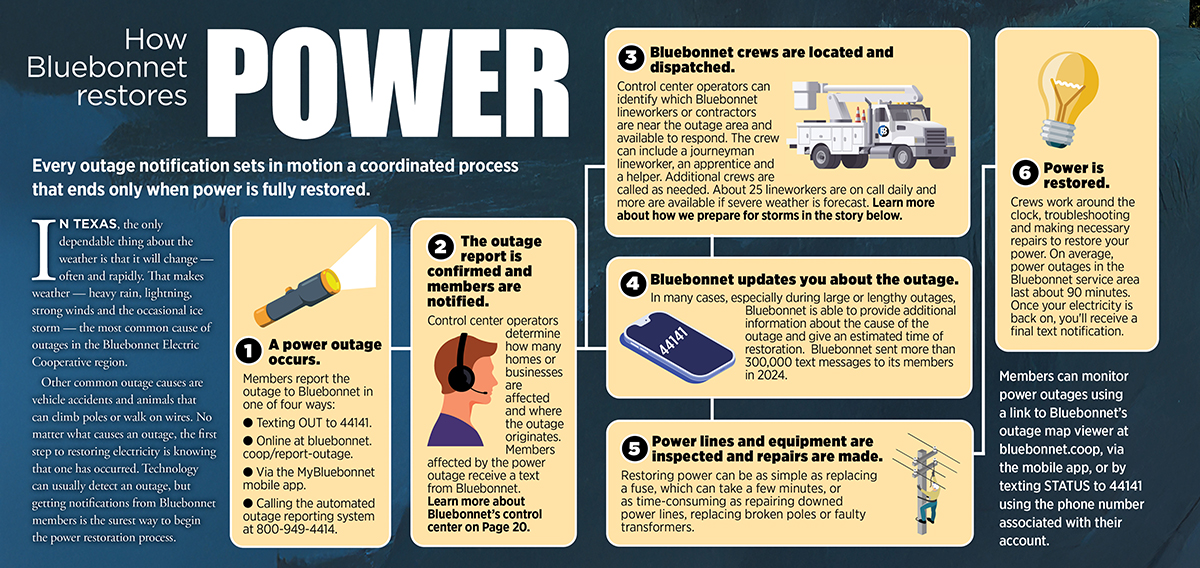


Outage reporting & map
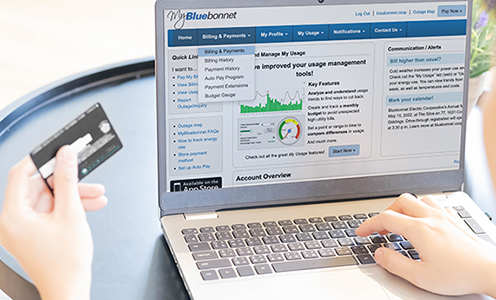
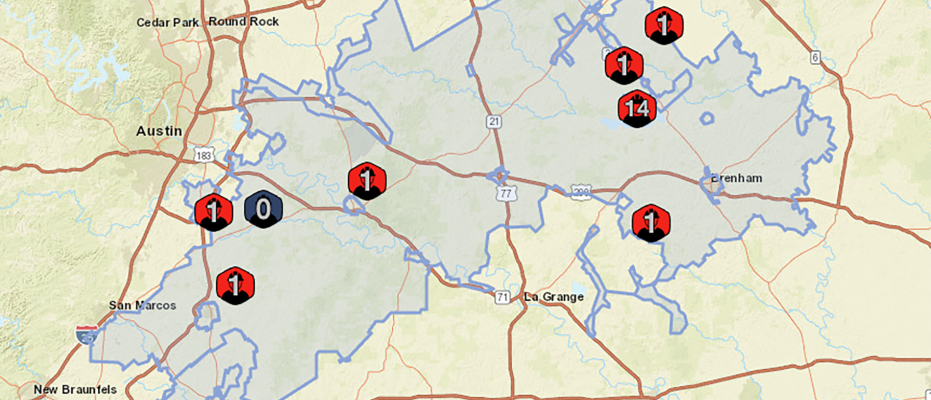
Report an outage, see all outages or check the status of your outage using our interactive map.
Other ways to report an outage




Emergency preparedness and storm safety
Take these steps before a thunderstorm
- Unplug electronic equipment before the storm arrives.
- Avoid contact with corded phones and devices, including those plugged in for recharging.
- Unplug appliances and other electric items such as computers, and turn off air conditioners. Power surges from lightning can cause serious damage.
- Avoid contact with plumbing and bathroom fixtures. They can conduct electricity.
- Stay away from windows and doors and stay off porches.
- Do not lie on concrete floors and do not lean against concrete walls.
- Avoid natural lightning rods such as a tall, isolated tree in an open area.
- Avoid hilltops, open fields, the beach or a boat on the water.
- Avoid contact with anything metal — tractors, farm equipment, motorcycles, golf carts, golf clubs and bicycles.
Take these steps during a thunderstorm
- When thunder roars, go indoors! Move from outdoors into a building or car with a roof.
- Pay attention to alerts and warnings.
- Avoid using electronic devices connected to an electrical outlet.
- Avoid running water.
- Turn Around. Don’t Drown! Do not drive through flooded roadways. Just six inches of fast-moving water can knock you down, and one foot of moving water can sweep your vehicle away.
— From ready.gov
Take these steps after a thunderstorm
- Stay Informed: Continue listening to local news or a NOAA Weather Radio to stay updated about severe thunderstorm watches and warnings. More severe thunderstorms could be headed your way.
- Contact Your Family and Loved Ones: Let your family and close friends know that you're okay so they can help spread the word. Text messages or social media are more reliable forms of communication than phone calls.
- Assess the Damage: After you are sure the severe weather threat has ended, check your property for damages. When walking through storm damage, wear long pants, a long-sleeved shirt and sturdy shoes. Contact local authorities if you see power lines down. Stay out of damaged buildings. Be aware of insurance scammers if your property has been damaged.
- Help Your Neighbor: If you come across people who are injured and you are properly trained, if needed, provide first aid to victims until emergency response team members arrive.
Storm-related outages
Our control room monitors outages 24/7 and crews are always on call to help restore power.
We try to offer estimated restoration times when possible, but numerous factors can complicate power restoration. When power lines are down or equipment is damaged, it can take longer to restore power.