




What does it take to make a world champion ‘cutter’? Experience, dedication and a well-trained horse
By Pam LeBlanc
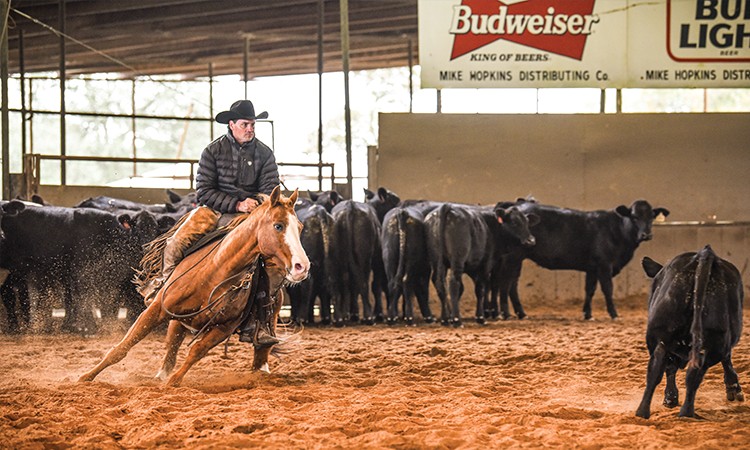
In a covered arena in Washington County, Constantine Caloudas and his horse Karlos kick up a cloud of dust as they separate a fidgety, rust-colored calf from a milling herd.
As the calf makes a break, the horse instinctively bows low and blocks its way. The calf tries to scramble back to the safety of the herd, but Karlos mirrors every move, keeping it on the run.


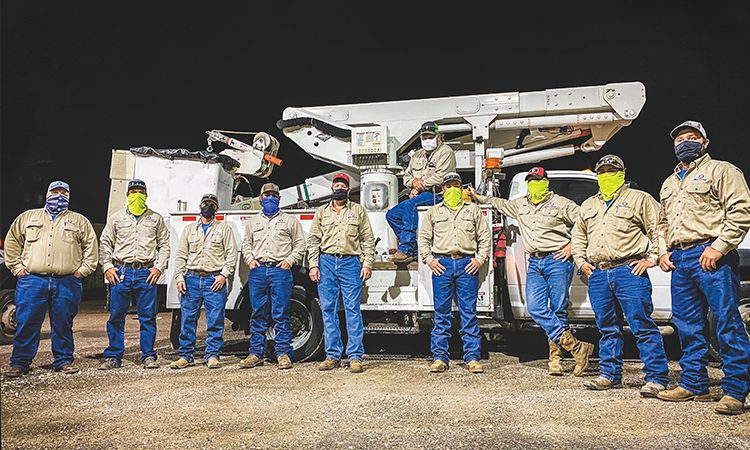
When Hurricane Laura made landfall in the early hours of Aug. 27, 2020, its devastating winds, rain and storm surge left hundreds of thousands of people without power across Louisiana and East Texas. Central Texans dodged damage from this storm, which enabled Bluebonnet Electric Cooperative to help out hard-hit utilities.
BY CLAYTON STROMBERGER
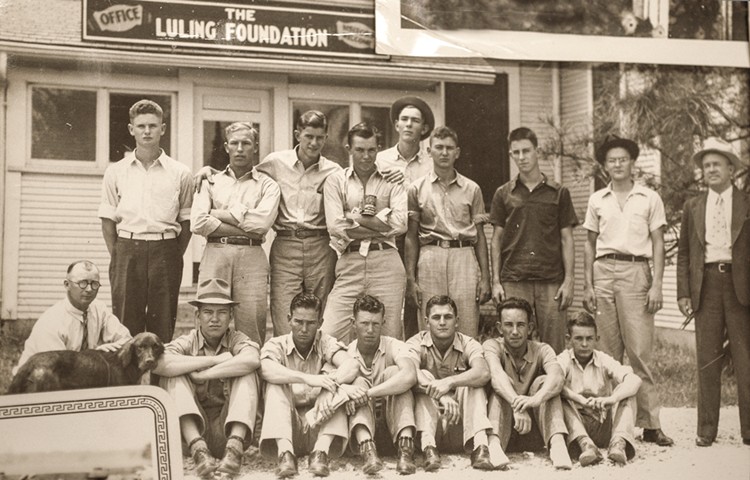
As you drive down quiet, tree-lined Mulberry Avenue out on the southwestern edge of Luling, just past the high school football stadium, you come to an unadorned metal archway that reads, “The Luling Foundation,” and below that, “Est. 1927.” Passing under the arch, you’re simultaneously going backward and forward in time.
By Clayton Stromberger and Denise Gamino
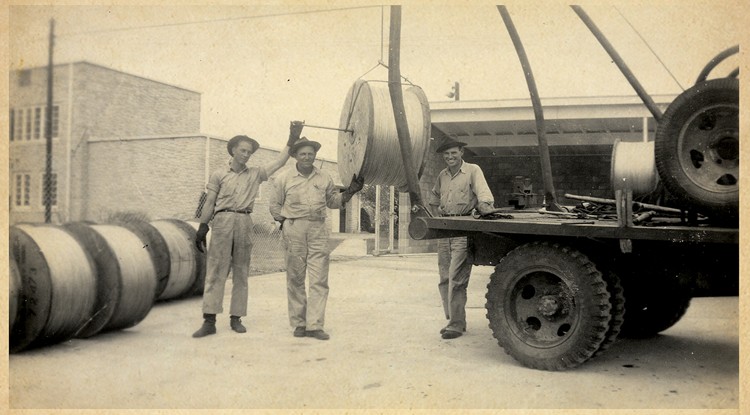
If you were born at least fourscore and seven or so years ago, and grew up in these parts, you may remember what it was like in 1939.
No one was in a huge rush back then. The highway speed limit was 45 mph — lower for trucks. More than half the state was rural. Kids in the country rode a horse to confirmation class. Air conditioning meant opening a window or sitting on the front porch with a hand-held fan from church. Screen time was for when the mosquitoes came back.
Story by Ed Crowell
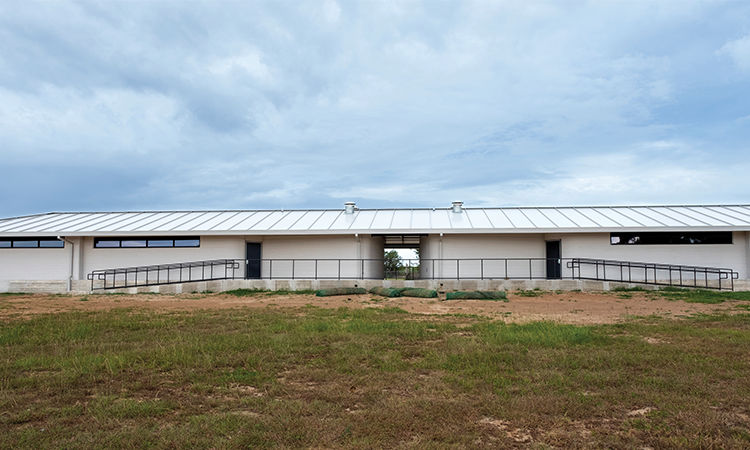
Military troops learn to live and sleep in unusual spots — from inside a desert foxhole to wedged between a rock and a hard place.
Now, some Texas soldiers will have an opportunity to rest, comfortably, in a revolutionary new barracks in Bastrop County.
At Camp Swift — the National Guard’s main training facility in Texas — some troops will sleep in the largest structure in North America built by a giant robotic 3D printer.