




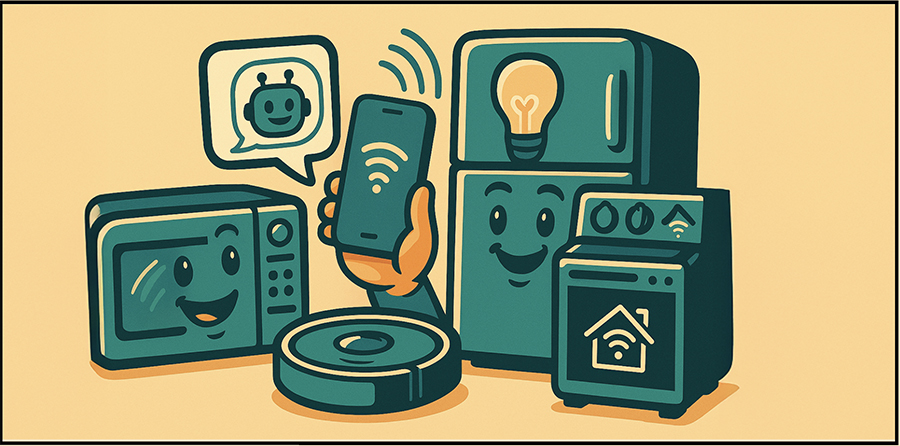
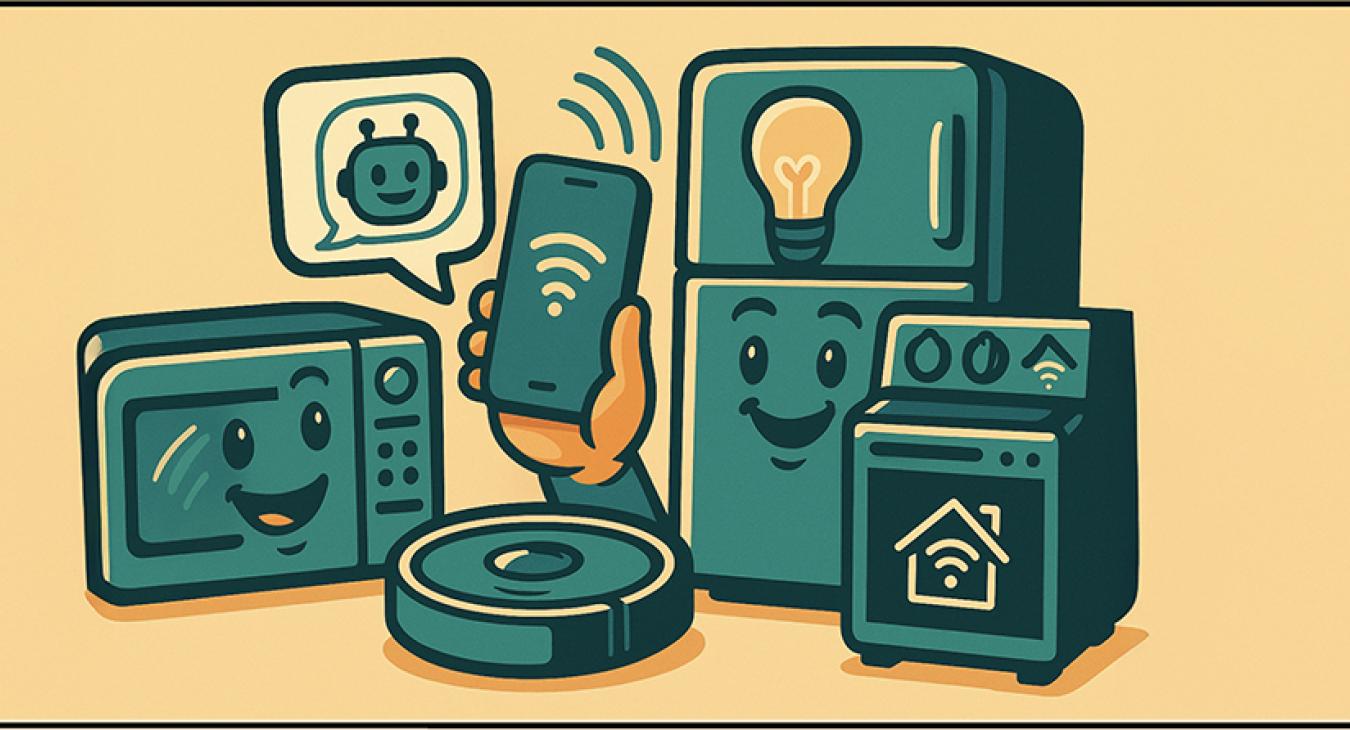
From fridges that know what's inside to phone apps to control them, smart tech and AI are coming to home appliances.
From fridges that know what's inside to phone apps to control them, smart tech and AI are coming to home appliances
How smart are the newest appliances? If you can master their technology, they could be brilliant.
On the market — or coming soon — are refrigerators that know what’s inside and can tell you what food has expired, create a grocery list and suggest a recipe for dinner.
There are washing machines that can detect everything from fabric type to water hardness to the dirtiness of your clothes, then select the correct wash cycle.
App technology allows you to control appliances from your phone. Dryers, microwaves, dishwashers, cooktops, ovens and other appliances are incorporating new technology and artificial intelligence to improve their performance.
These next-generation appliances aren’t cheap, and they require compatibility with home Wi-Fi and smart devices. If you run inefficient cycles or ignore maintenance recommendations, their smart benefits may be lost. Some also use more electricity.
Here’s a quick rundown of what the future holds:
Refrigerators: New technologies detect temperature changes, monitor humidity levels and track expiration dates. Some new refrigerators can provide recipes and meal suggestions based on what you have on hand. Smartphone apps connect refrigerators with recipe apps and smart home assistants. The new tech can alert an owner to potential mechanical problems or maintenance needs. One manufacturer touts adjustable compartments that allow temperature changes from refrigerator to freezer to beverage drawer.
Washing machines: New high-tech washers use AI to detect load size, fabric type, water hardness and soil levels to automatically select the right wash cycle, minimize electricity use and determine how much water and detergent to use. They can alert owners to problems or needed maintenance.
Dryers: Many newer dryers already have sensors that monitor moisture and temperature, heat-pump technology and warm air recycling options to conserve electricity and avoid overdrying clothes. Next will be dryers that adapt to fabric types, load sizes, humidity and your usage history. These smarter dryers learn your habits and can tell you when they need maintenance, and they can be controlled with apps or by voice.
Cooktops and ovens: Electric induction cooktops are the next big thing. They heat quickly and accurately and are more energy efficient than traditional cooktops. Future units may include sensors that detect when food is about to burn and adjust heat based on the cookware you are using. You can preheat your oven via a mobile app or use AI to automatically adjust temperatures for precision cooking. Ovens will offer multiple cooking modes and have safety and efficiency sensors.
Microwaves: AI can detect various food types and monitor the cooking process; some microwaves can be controlled through an app or by voice commands.
Dishwashers: Sensors can detect the dirtiness of dishes and adjust the cleaning cycle accordingly. This reduces heating and water consumption while still ensuring dishes are clean. Like other smart appliances, some models can be started remotely using an app on your phone.
Small appliances: Other devices likely to get smarter with new technology, sensors, wireless power and app control include blenders, robot vacuums, air purifiers/dehumidifiers, coffee makers and other countertop kitchen gadgets.
Sources: energystar.gov, nuvoton.com, samsung.com, whirlpool.com, lg.com, bestbuy.com, t3.com, houzz.com, yankodesign.com, transparencymarketresearch.com, futuremarketinsights.com, globenewswire.com, straitsresearch.com