


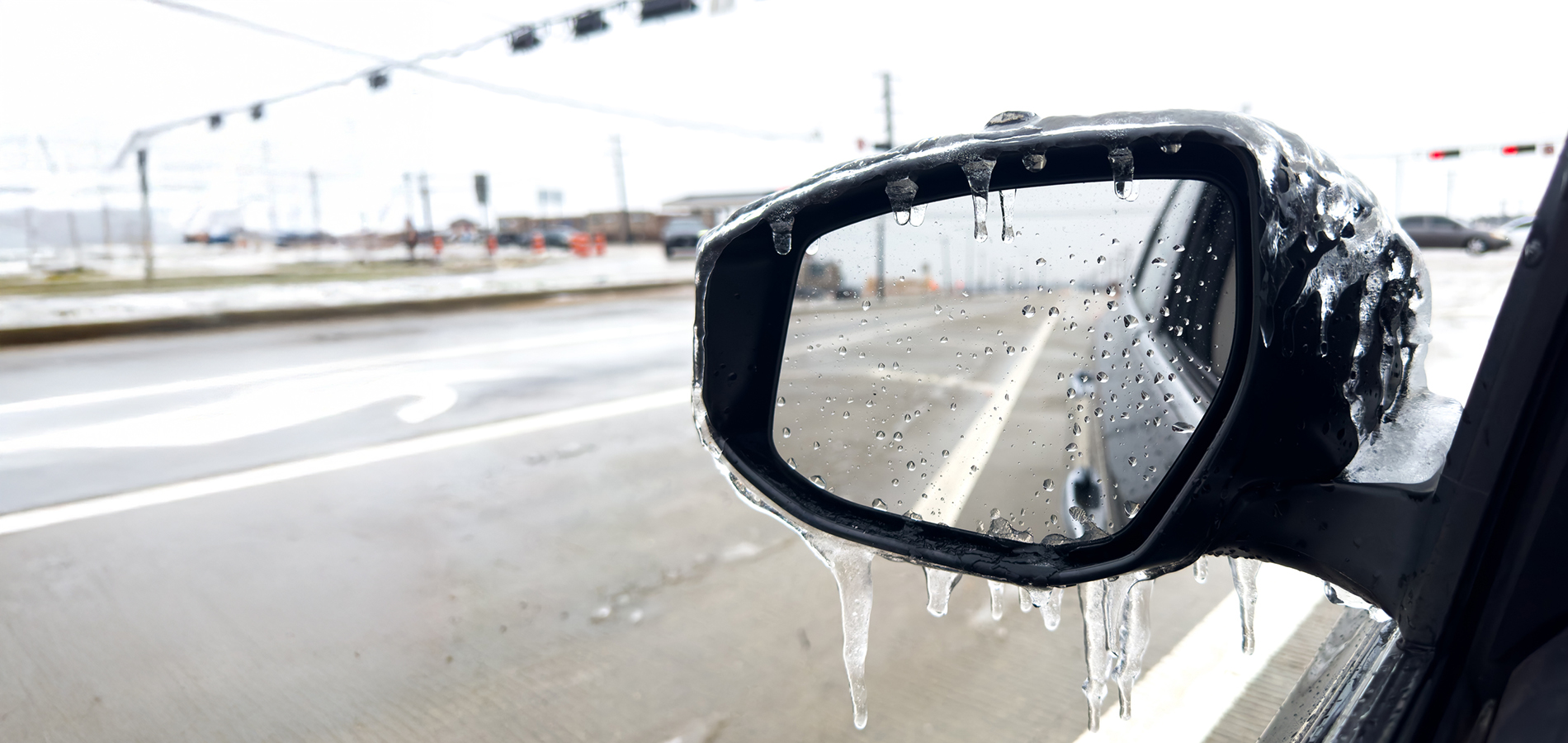
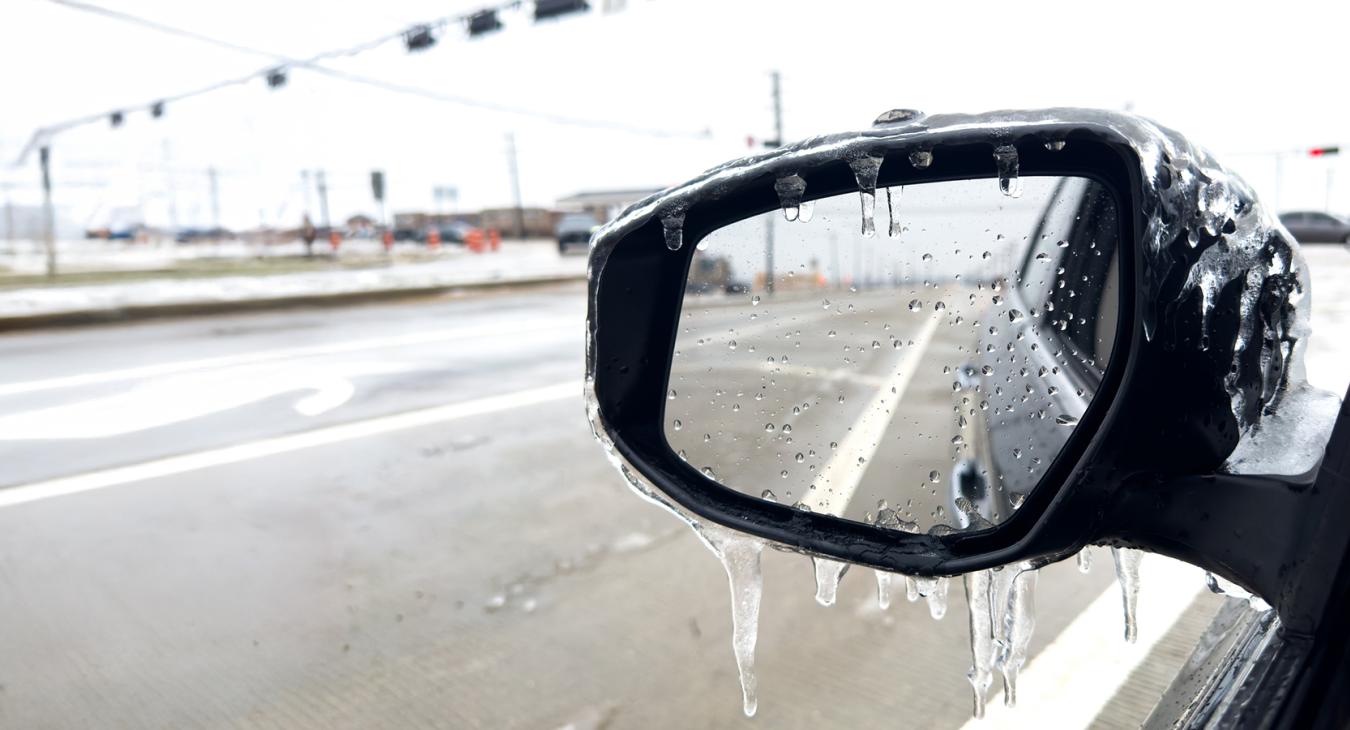
Ice in Texas rarely looks dramatic — but it can be just as dangerous
When temperatures plunge in Central Texas, safety becomes the top priority. From protecting your home to staying warm and avoiding icy hazards, knowing what to do before and during a cold snap can make all the difference.
10 critical safety tips for a Central Texas cold snap
-
Know your shutoffs before you need them
Locate and label your main water shutoff and circuit breaker. Quick action during a freeze or outage can prevent major damage. -
Protect pipes early
Insulate exposed pipes, drip faucets during hard freezes and open cabinet doors under sinks to allow warm air to circulate. -
Heat safely
Use fireplaces, space heaters and generators exactly as intended. Never use ovens, grills or propane heaters to warm your home. -
Check carbon monoxide detectors
Ensure detectors are installed, tested and have fresh batteries. -
Prepare for power loss
Charge phones and power banks, set refrigerators slightly colder, and gather flashlights, batteries and blankets in one place. -
Dress for warmth indoors
Layered clothing, socks and knit caps help maintain body heat if the power goes out. -
Prevent slips and falls
Ice can form on steps, porches and walkways. Wear shoes with traction and move slowly. -
Keep pets and people inside and dry
Cold, wet conditions pull heat from the body quickly. Bring pets indoors and limit trips outside. -
Use space heaters wisely
Keep heaters at least three feet from anything flammable and turn them off when sleeping or leaving the room. -
Check on others
Older adults, neighbors with medical needs, and those living alone may need help staying warm and safe.
Five things Central Texans should know before temperatures drop and roads turn icy
Winter weather can be unpredictable in Central Texas, especially in January and February. Temperatures can quickly swing from mild to freezing. Cold snaps and icy conditions can last for hours or stretch on for days. Here are five ways to stay safe during a Texas cold snap:
 1
1
Trust the warnings, not your windshield: Things may look fine, but icy conditions could be headed your way. Regularly check weather forecasts: Use multiple sources — a trusted local TV or radio station, a weather app and emergency alerts — so you aren't caught off guard.
BONUS TIP:
Pay attention to overnight lows. Roads can freeze early in the morning or refreeze after sunset, even if they looked fine earlier in the day. If temperatures dip below freezing, assume conditions may change quickly.
 2
2
Dress in layers: Start with a moisture-wicking base, add an insulating middle layer like fleece or flannel and top it off with a wind- and waterproof jacket. Wear gloves and warm socks, along with a knit cap and headband or neck gaiter.
BONUS TIP:
Stay dry whenever possible. Rain, sleet or even sweat can pull heat away from your body. If clothes or shoes get wet, change into dry layers as soon as you can.
 3
3
Avoid driving on icy roads: The best plan is to not drive, but if you must, remember ice is a particularly dangerous road hazard in Texas. Ice can form quickly and be hard to see — especially on bridges. Go slow, brake gently, avoid sudden moves and plan for longer travel times.
BONUS TIP:
Bridges and overpasses freeze first. These surfaces are exposed to cold air on all sides, making them more likely to ice over even when nearby roads appear clear.
 4
4
Keep your vehicle winter-ready: Keep the gas tank at least half full and stock the vehicle with a few cold-weather items, such as bottled water, snacks, a blanket, a phone charger, a flashlight and an ice scraper; share travel plans with loved ones.
BONUS TIP:
Keep your phone charged — and warm. Cold temperatures drain batteries faster. Store your phone close to you and consider carrying a backup power bank in your vehicle.
 5
5
Prepare your home and yourself:
You probably know the three P’s:
Protect pipes, pets and plants. Stay safe by watching your step, wearing the right shoes and avoiding getting wet or staying outside too long.
BONUS TIP:
Know where your main water shutoff is. If a pipe freezes or bursts, shutting off water quickly can help limit damage before repairs can be made.
Local warming shelters
The Texas Division of Emergency Management updates a list of available shelters across the state of Texas every hour. If you or someone you know needs a warm place to stay during extreme cold weather, visit tdem.texas.gov/warm to find an available shelter near you. Here are some local options:
Three Rivers Community Church, 103 Main St., Martindale
Old Lytton Springs Church, 8440 FM 1854, Dale
Uhland Catholic Church, 80 S. Spanish Trl., Uhland
Manor City Hall, 105 E. Eggleston St., Manor
American Legion Hall, Hwy. 77, Giddings
WARMING STATION SHELTER INFORMATION
Before the temperature drops
A little preparation ahead of a winter weather event can help reduce risks and prevent problems once temperatures fall.
- Charge phones, power banks and battery-powered tools
- Set thermostats and open cabinet doors under sinks
- Bring pets indoors and cover sensitive plants
- Park vehicles away from bridges or low-lying areas if possible
If the power goes out
Short outages can happen during winter weather. A few simple steps can help you stay safe and comfortable until power is restored.
- Keep flashlights handy and avoid using candles
- Open refrigerator and freezer doors as little as possible
- Unplug sensitive electronics to prevent damage from power surges
- Check on neighbors who may need extra assistance
When roads turn icy
Even brief icy conditions can create hazards, especially in areas not used to winter driving.
- Delay travel if possible, especially early morning or overnight
- Watch for ice on bridges, overpasses and shaded areas
- Slow down and leave extra space between vehicles
- Let someone know your travel plans if you must drive
PREPARING FOR WINTER WEATHER
For more tips, go to texasready.gov/be-informed or bluebonnet.coop/safety.